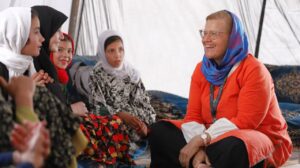
OCHA, the United Nations Office for the Coordination of Humanitarian Affairs in Afghanistan, has recently announced that in 2026, more than 10.7 million women and girls in Afghanistan will require humanitarian assistance.
In a report published the organization stated that severe restrictions on the movement, education, and employment of women and girls have significantly reduced their access to essential services.
The report indicates that women and girls remain among the most vulnerable groups in the ongoing crisis in Afghanistan, and widespread restrictions have exacerbated their situation.
OCHA emphasized that these restrictions not only prevent women from accessing basic services but also increase protective risks and deepen existing vulnerabilities.
Additionally, other humanitarian aid organizations across Afghanistan are reporting a deterioration in health indicators, rising food insecurity, and reduced access to services provided by female staff.
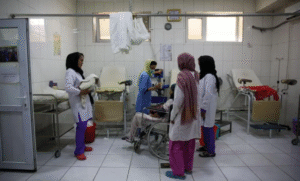
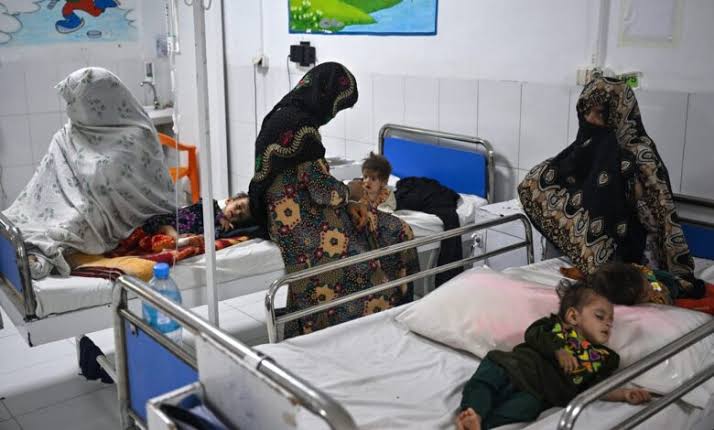
OCHA has added that the health sector in Afghanistan is under severe pressure and continues to record one of the highest maternal mortality rates in the world.
According to United Nations statistics, in 2024, approximately 638 maternal deaths per 100,000 live births were reported, the highest figure in Asia and the seventh highest globally.
OCHA states that this concerning situation is the result of a combination of factors, including a severe shortage of female staff in healthcare, reduced financial resources, limited access to essential medications, and a lack of urgent reproductive health and women’s services.
The United Nations report highlights that challenges, particularly in rural and remote areas with limited access to healthcare services, have led to an increase in preventable deaths among mothers and newborns.
In its report, the United Nations warns of a worsening situation in the future regarding the availability of female personnel in health and education sectors due to ongoing restrictions on girls’ education.
OCHA warns that without an immediate increase in humanitarian assistance and the lifting of existing restrictions, this crisis could have more serious and long-term consequences for the health and lives of millions of Afghan women and children.