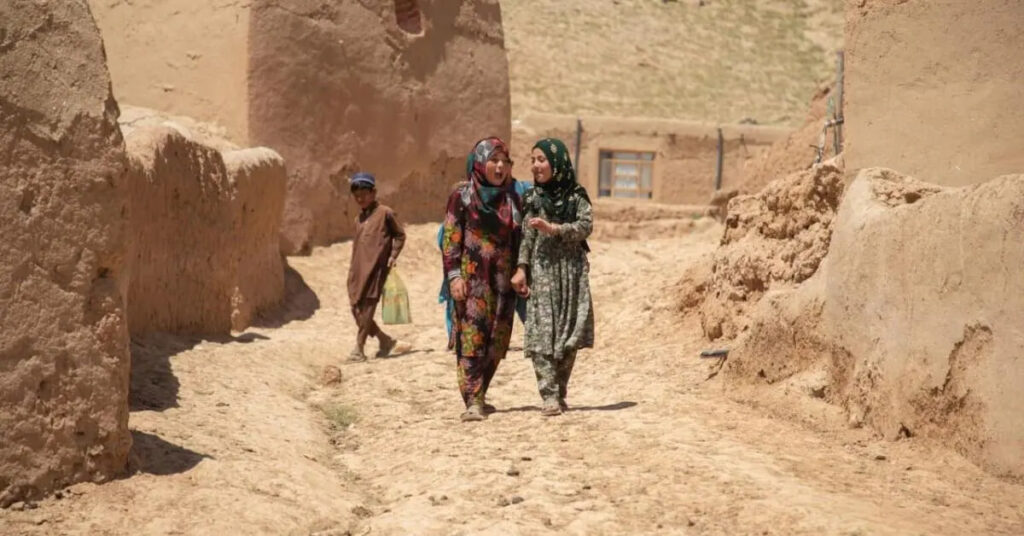
UNICEF, the United Nations Children’s Fund, has recently announced that over 8.8 million children in Afghanistan are simultaneously exposed to at least three climate hazards, including floods, droughts, heat waves, extreme heat, storms, and dust.
In a published report, the organization stated that more than 75% of children in Afghanistan are at risk of drought, over 50% face longer and more frequent heat waves, and more than 1.7 million children are exposed to riverine flooding.
Tajuddin Owais, UNICEF’s representative in Afghanistan, emphasized: “Children in Afghanistan are currently at the forefront of the climate crisis. What makes this situation particularly dangerous is the simultaneous occurrence of climate hazards alongside the high level of vulnerability among children.”
The report continues by noting that approximately 21 million children live in Afghanistan, and 41% of these children are facing simultaneous climate hazards.
The agency also pointed out that Afghanistan ranks highest in South Asia in terms of children’s vulnerability.
UNICEF stressed that these hazards are not just abstract environmental threats to children; they disrupt the services that children need for survival, education, and health.
According to UNICEF’s report, the child nutrition crisis in Afghanistan, including millions of children suffering from acute malnutrition and requiring treatment, increases their vulnerability to climate hazards.
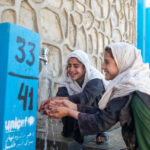
UNICEF added: “Droughts, floods, and extreme heat weaken food systems and reduce access to safe water—both factors that lead to acute malnutrition.”
The report states that nearly half of the children in Afghanistan live in severe food poverty, and gaps in vaccination, environmental health services, and hygiene further increase risks for vulnerable children.
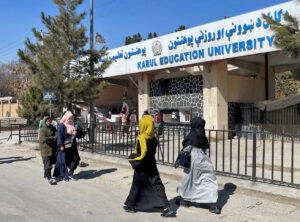
Moreover, UNICEF highlighted the importance of educational services, child support, and social protection, stating that safe and climate-resilient schools can help children continue their education during climate shocks.
The UNICEF representative in Afghanistan stated: “For Afghanistan, the message is clear: protecting children from the climate crisis requires sustainable investments in services that keep them healthy, well-nourished, safe, supported, and educated.”
He emphasized strengthening climate-resilient systems and services in health, nutrition, water, sanitation, hygiene, and education sectors.