Albert Khorif, the Russian Ambassador to Pakistan, emphasized the importance of respecting the fundamental rights of the people of Afghanistan, stating that the caretaker government must honor the right to education and other basic rights of citizens, especially girls and women.
Mr. Khorif made these remarks in an interview with “TSR Podcast,” saying, “Human rights must be respected by everyone in the world, including the Afghan government, and I hope the current government understands this issue.”
The diplomat further stressed that without access to education for society, particularly for girls, the continued progress and development of Afghanistan will be impossible.
Additionally, the Russian ambassador referred to the security situation in Pakistan, expressing satisfaction with his presence there and stating that he loves the country.
He mentioned that he compares living conditions in Pakistan with the years he spent in Kabul and now feels a greater sense of security and peace because he can live with his family—an opportunity that was not available to him in Kabul.
It is worth noting that he has served for years as a senior Russian diplomat in Afghanistan. This Russian diplomat also speaks Persian and Pashto.
However, he expressed concern that the security situation in Pakistan is gradually changing, warning that insecurity is slowly spreading to some areas of Pakistan, especially border regions and districts adjacent to Afghanistan.
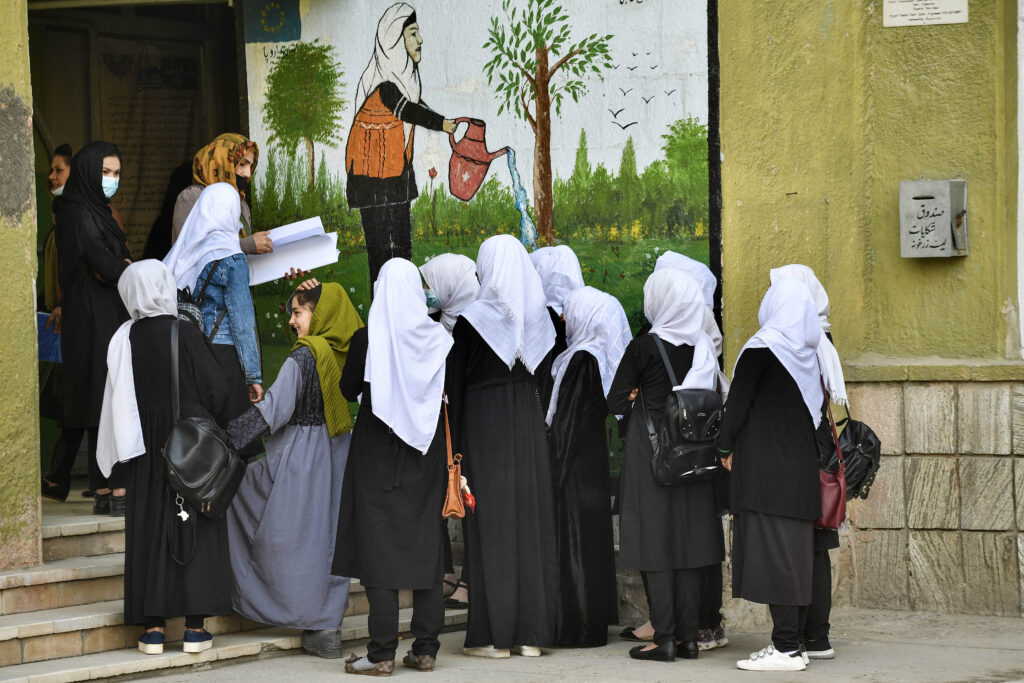
While this Russian official has called for the respect of women’s and girls’ rights in Afghanistan, the current government has deprived women and girls of education and schooling since taking control of Afghanistan. In its latest restriction, it closed the doors of medical institutes to girls and women, while the health sector across Afghanistan faces a shortage of personnel.
This government’s actions have resulted in millions of schoolgirls being unable to receive education.
Moreover, women have been banned from going to sports clubs, restaurants, public baths, being examined by male doctors, traveling without a male guardian, working in domestic and international NGOs, and even in UN offices in Afghanistan.
Despite widespread global pressure and repeated requests from international organizations, the current government has not changed its policies so far.