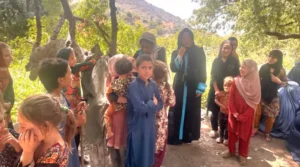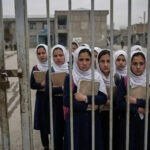
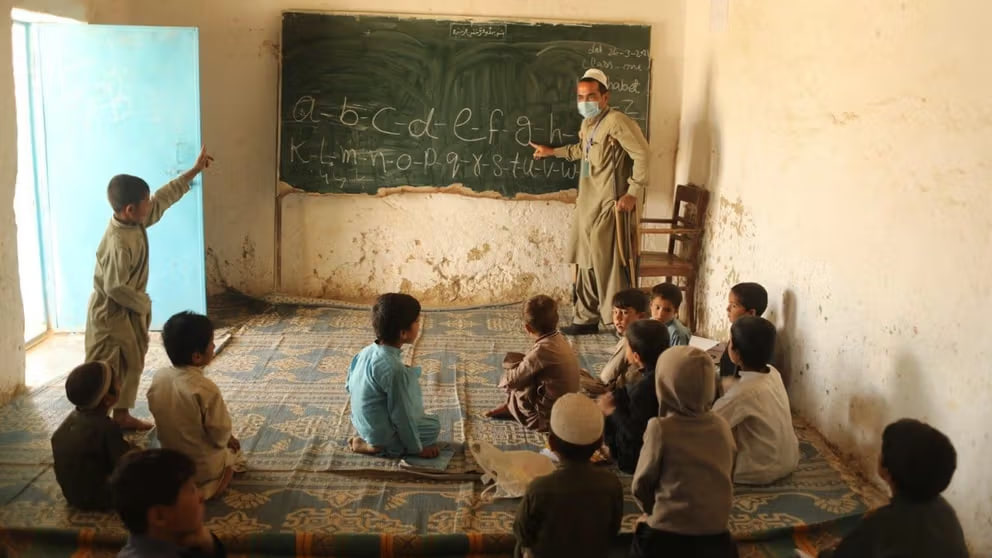
The United Nations High Commissioner for Refugees reports that Afghan refugee children in Pakistan are living in deprivation due to a lack of identity documents and fear of deportation.
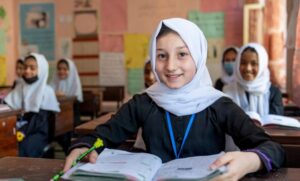
In a published report, the organization stated that 77% of the children surveyed have been deprived of access to education.
The UN High Commissioner for Refugees and the Mixed Migration Center examined the support needs of Afghan children and adolescents in Pakistan in their new report titled “Living in the Shadows.”
The report highlights that Afghan refugees, especially children and youth in Pakistan, face serious protection crises and deprivation of basic services.
It shows that the lack of legal documentation and ongoing fear of detention and deportation have forced this vulnerable group to live in hiding.
According to the data in this report, deprivation of education is one of the biggest challenges facing Afghan children in Pakistan, with about 77% of surveyed children having no access to education or vocational training.
The report identifies the main reasons for this deprivation as financial difficulties, lack of identity documents, and the need to work. Nearly half of these children are also deprived of access to healthcare services, which exacerbates their vulnerability.
Additionally, the situation is reported to be much worse for unaccompanied children. Statistics indicate that 73% of unaccompanied children are forced to work to support their living expenses, compared to 33% for children with guardians.
Unaccompanied girls are also severely affected, with 82% resorting to work. Furthermore, a significant portion of these children lives in inadequate housing conditions.
The United Nations has emphasized that the pressures from migration, poverty, and fear of deportation have detrimental effects on the mental health of Afghan children. According to this survey, 70% of children reported feeling depressed, and 44% experienced anxiety.