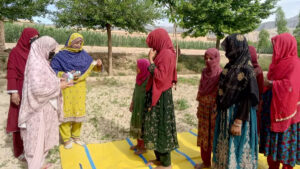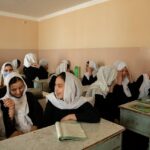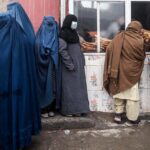
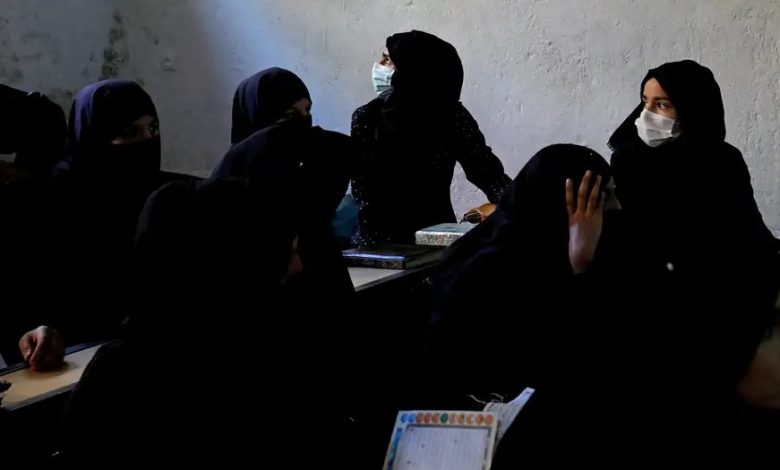
Malala Yousafzai, human rights activist and Nobel Peace Prize laureate, announced that despite widespread restrictions on the education of girls and women in Afghanistan, many continue to learn in secret. They are finding ways to pursue education, such as listening to lessons via radio and secretly exchanging books.
In a statement, Ms. Yousafzai said that seeing images of girls standing behind closed school gates reflects a reality where educational deprivation continues in an unprecedented manner.
She emphasized that despite this situation, the effort to learn has not stopped among Afghan girls.
Her statement added that while these forms of clandestine education fall short of expected educational standards, they demonstrate the determination of girls who refuse to give up their right to education, even in restrictive conditions.
These remarks come at a time when the current government, after taking control of Afghanistan, has deprived women and girls of education and schooling. In its latest restriction, it has closed the doors of medical institutes to girls and women, while the health sector across Afghanistan faces a shortage of personnel.
This action by the current government has resulted in millions of female students being unable to continue their education.
Additionally, women have been banned from going to sports clubs, restaurants, public baths, being examined by male doctors, traveling without a male guardian, and working in domestic and international non-governmental organizations, as well as in UN offices in Afghanistan.
Human rights organizations have repeatedly called for the lifting of these restrictions; however, for the fifth consecutive year, schools in the cold provinces of Afghanistan have opened without girls, and the current government has yet to respond positively to the requests of girls and the international community.