UN Women has recently stated that 2025 was a year in which women refused to step back and instead led transformative changes across the world.
In a statement published on its X (formerly Twitter) account, the organization wrote that women around the globe spearheaded major developments—from efforts to end violence against women and girls to achieving equal participation in decision-making and playing active roles in peace and security.
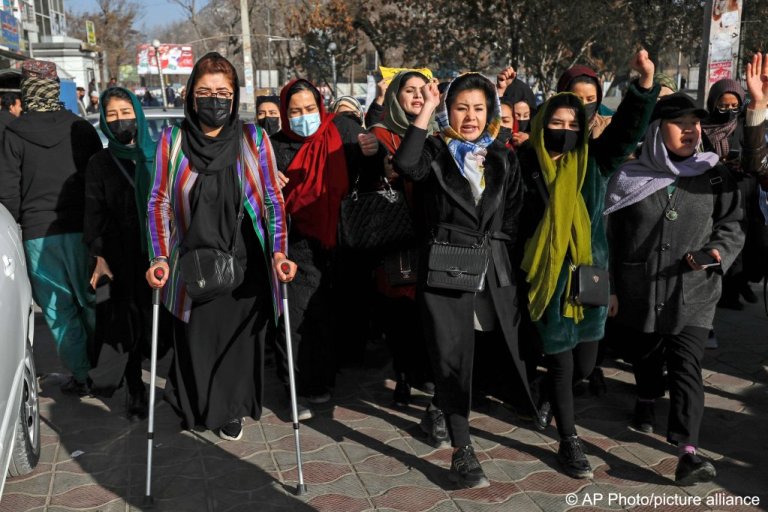
While UN Women highlights the role of women and girls in driving significant change, women and girls in Afghanistan experienced some of the harshest conditions imaginable in 2025.
Severe restrictions on education, employment, and social participation have continued to overshadow the lives of millions of women and girls, reducing their opportunities to take part in society.
After taking control of Afghanistan, the current authorities barred women and girls from education and schooling. In their latest restriction, they also closed the doors of medical institutes to girls and women, despite the fact that the healthcare sector across Afghanistan is facing a severe shortage of personnel.
This decision by the current authorities has resulted in millions of female students being deprived of education.
In addition, women have been banned from going to sports clubs, restaurants, public baths, being examined by male doctors, traveling without a male guardian (mahram), and working in domestic and international non-governmental organizations, as well as even in United Nations offices in Afghanistan.