UNICEF, the United Nations Children’s Fund, has stated that the ban on education and work for women and girls affects not only one generation but also imposes costs on the next generation.
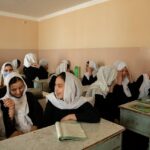
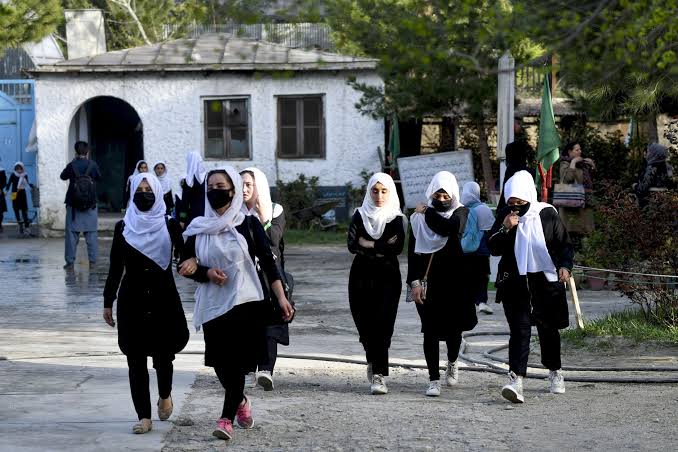
In a statement released, it noted that since August 15, 2021, 2.6 million girls have been deprived of education. The restrictions imposed on girls’ education and women’s employment incur an economic cost of $84 million annually for Afghanistan, and with the continuation of these restrictions, these losses are expected to increase each year.
UNICEF has warned that these limitations affect not just one generation but that the costs and consequences will also be passed on to the next generation.
The United Nations Children’s Fund added: “As the number of illiterate mothers increases, the risks of low birth weight, inadequate vaccination, and stunting among their children also rise, placing additional pressure on a healthcare system that is already strained.”
Part of the statement mentions that with these restrictions, Afghanistan faces the risk of losing up to 20,000 female teachers and about 5,500 female doctors by 2030. Additionally, the number of female teachers in primary education has currently decreased by more than nine percent, dropping from nearly 73,000 in 2022 to around 66,000 in 2024.
UNICEF’s research shows that the presence of women in civil services has decreased from 21 percent to 17.7 percent between 2023 and 2025.
Catherine Russell, UNICEF’s Executive Director, stated: “Five years may seem short in a country’s history, but in a girl’s life, it is a defining period.”
She added: “The classroom offers more than just learning. It gives a young person a voice and the ability to reach their full potential while providing a shield against child labor, early marriage, and violence and abuse.”
She further noted: “When schools were closed, these supports disappeared.”
UNICEF has warned that when girls drop out of school, they face greater risks including child labor, abuse, early marriage, and gender-based violence.
This comes as the interim government announced about two weeks after taking control of Kabul that girls would not be allowed to attend school beyond the sixth grade. Furthermore, women’s education at universities was banned in December 2022.