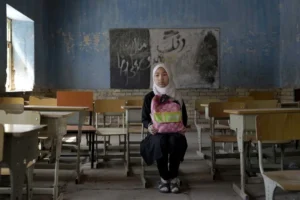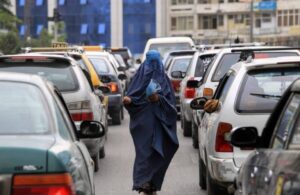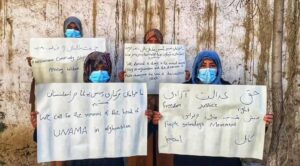
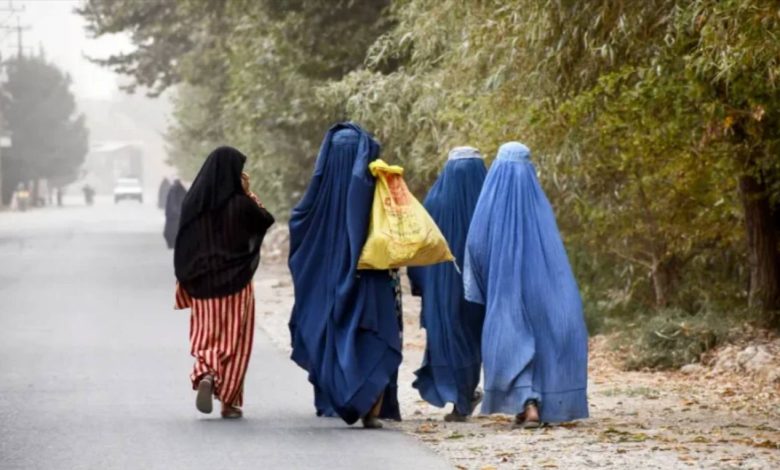
UNICEF, the United Nations Children’s Fund, has announced that Afghan women and girls are at the center of a systemic legal crisis—a crisis that, as a result of bans on education, widespread restrictions on women’s work, and strict laws, has increased serious protection risks for them and threatens the future of coming generations.
In a report expressing concern over the worsening humanitarian crisis in Afghanistan, the agency said it will require USD 949.1 million in 2026 to meet the humanitarian and basic needs of 12 million people, including 6.5 million children, across the country.
The report states: “It is a crisis in which women and children bear the greatest burden.”
UNICEF further emphasized that in 2026, about 21.9 million people in Afghanistan, including 11.6 million children, will need humanitarian assistance.
The report adds that the continuation of conflict, natural disasters, climate shocks, a fragile economy, and limited access to basic services have seriously hindered recovery after decades of war.
According to the report, the protection crisis in the country is worsening, with women of reproductive age, children, youth, and marginalized groups facing increasing risks such as abuse, deprivation, and extreme poverty.
UNICEF also pointed to underinvestment in the water and sanitation sector, noting that this situation, combined with climate change, has increased humanitarian needs and severely weakened community resilience, particularly for women and children.
The agency stressed that securing this funding is essential to deliver life-saving assistance, provide basic services, and strengthen long-term community resilience. Without it, the future of millions of women and children in Afghanistan will be at serious risk.
According to findings by the World Food Programme (WFP), female-headed households in Afghanistan have been more affected by the humanitarian crisis than others. Two-thirds of these households cannot afford even the most basic food items and are dependent on humanitarian assistance.
The WFP has also reported that due to poverty and the economic crisis, more than 4.6 million mothers and children in Afghanistan are suffering from malnutrition. The agency has warned that food insecurity remains at critical levels and that malnutrition is likely to increase in the coming years.