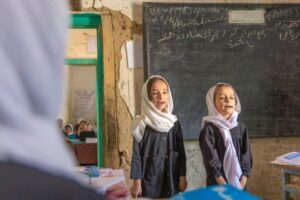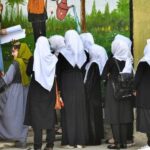
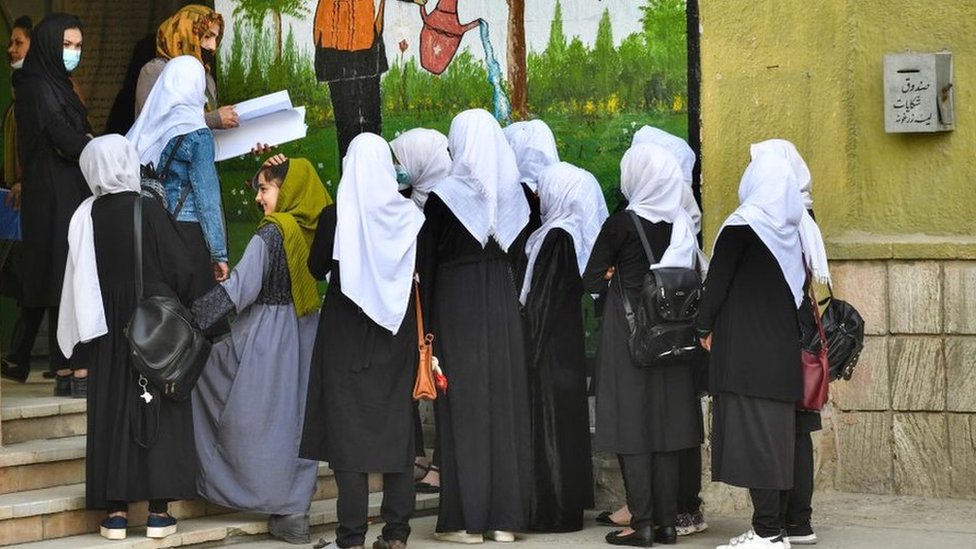
Alexander De Croo, head of the United Nations Development Programme (UNDP), has said that preventing girls over the age of 12 from receiving an education in Afghanistan is “completely unacceptable.”
De Croo made the remarks in an interview with the news website Foreign Policy. He said excluding half the population from education is also a poor policy from a development perspective.
He stressed that Afghanistan needs the capacity and contributions of its entire population to address the country’s many challenges.
De Croo added that denying girls an education means failing to make use of the talents and abilities of half the country’s population.
The UNDP chief said the organization also supports women’s entrepreneurship and has helped tens of thousands of women start small businesses.
He said UNDP speaks with Afghanistan’s caretaker authorities about the rights of women and girls almost every day.
Since taking control of Afghanistan, the caretaker authorities have barred women and girls from education. In their latest restriction, they closed medical institutes to women and girls, even as the country’s health sector faces a shortage of staff.
The authorities’ actions have left millions of school-age girls without access to education.
Women have also been barred from going to gyms, restaurants and public baths; being examined by male doctors; traveling without a male guardian; and working for domestic and international nongovernmental organizations—including at UN offices in Afghanistan.
According to reports, if the ban continues, nearly four million girls could be deprived of an education by 2030.