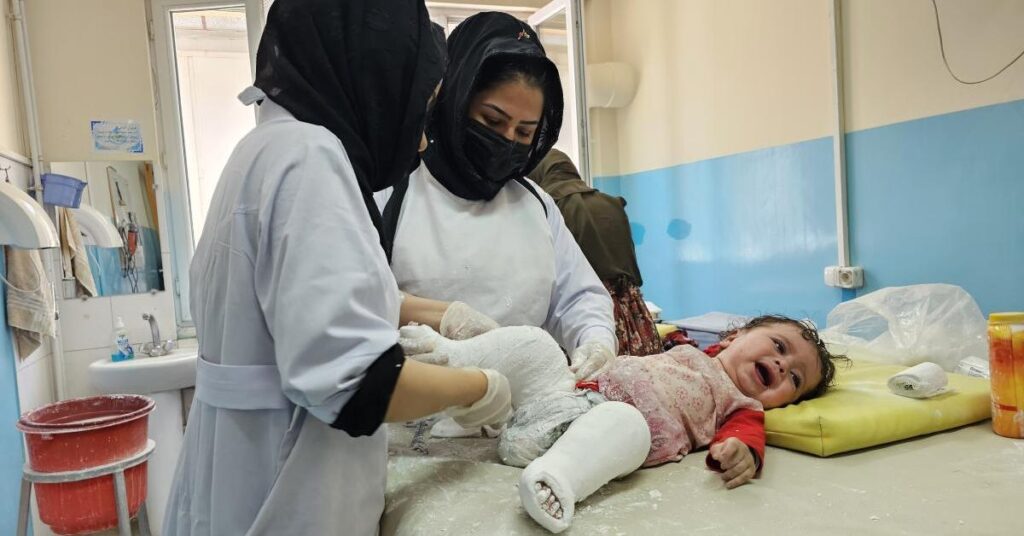
The International Committee of the Red Cross (ICRC) has recently stated that Afghanistan continues to face one of the most severe humanitarian challenges in the world.
In a report, the organization said that limited livelihoods, persistent unemployment, and restricted access to healthcare have pushed many families to the brink of survival. In 2025, approximately 22.9 million people—nearly half of Afghanistan’s population—required humanitarian assistance.
The ICRC further emphasized that in such circumstances, the most vulnerable groups—including malnourished children, the elderly, persons with disabilities, female-headed households, and daily wage laborers—are disproportionately affected.
According to the report, earthquakes, drought, floods, and climate change have destroyed agricultural crops, displaced families, damaged homes and critical infrastructure, and worsened food insecurity.
The ICRC also referred to the deportation of Afghan migrants from Iran and Pakistan, noting that their return has increased pressure on healthcare services, water supplies, food resources, and other sectors.
The organization stressed that overall, Afghanistan’s humanitarian challenges stem from economic instability, climate shocks, displacement, economic sanctions, and declining international engagement.
The Red Cross said that in 2025 it provided assistance to people across Afghanistan in various sectors and worked to strengthen their resilience.
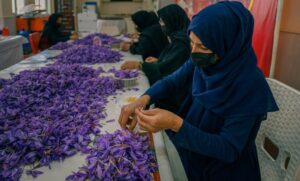
The ICRC reported that during this year it supported Afghans in access to safe drinking water, electricity supply, healthcare services, livelihood improvement, addressing the threat of explosive remnants of war, and physical rehabilitation.
The report also noted that the organization assisted returnees and earthquake-affected people, and in cooperation with prison authorities, visited 12 detention facilities, conducted private interviews with detainees, and held discussions with government officials regarding detention conditions and ways to improve them.