Heather Barr, Deputy Director of the Women’s Rights Division at Human Rights Watch, has said in a recent statement that the caretaker government’s policies toward girls’ education pose a serious threat to Afghanistan’s future.
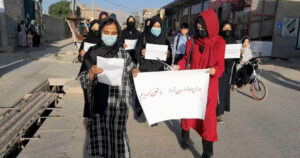
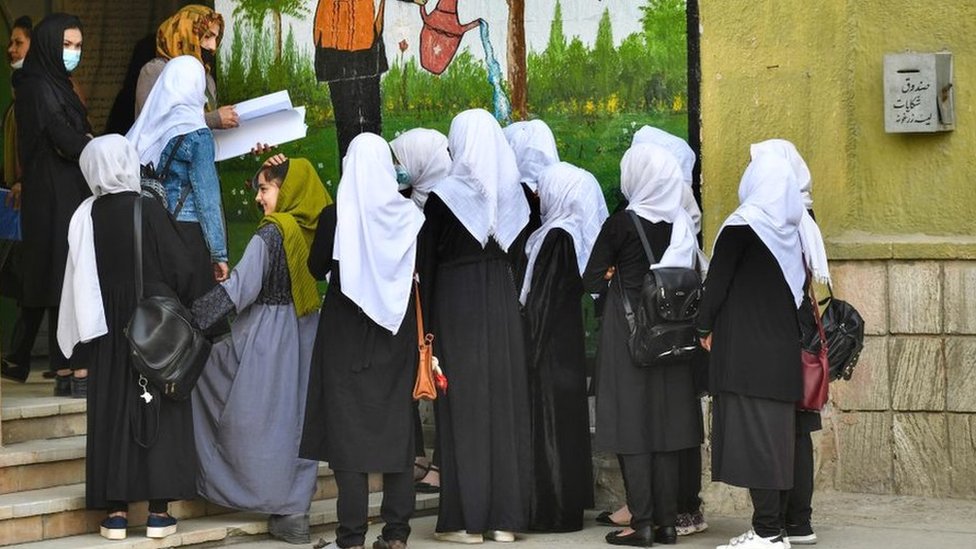
In a post shared on her X account, Ms. Barr wrote that the ban on girls’ education beyond sixth grade is only one part of a broader set of restrictions that have weakened the education system across Afghanistan.
She further emphasized that the current authorities have systematically undermined the education structure through actions such as dismissing qualified teachers, removing non-religious subjects, and imposing repeated restrictions.
Barr added that the harm caused by these policies is growing every day, and their consequences will affect future generations.
The Deputy Director of Human Rights Watch’s Women’s Rights Division stressed that the impact of this trend is not limited to girls alone; rather, it affects the entire national education system and places Afghanistan’s future at serious risk.
Meanwhile, the United Nations Children’s Fund (UNICEF) has warned that education in Afghanistan has reached a critical point. According to the organization’s report, more than 90 percent of ten-year-old children in Afghanistan are unable to read a simple text.
UNICEF has described this situation as a sign of a “learning without education” crisis—a crisis that, according to international organizations, has emerged as a result of restrictive education policies.