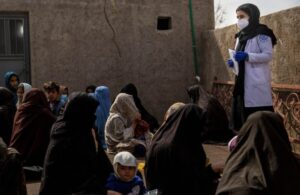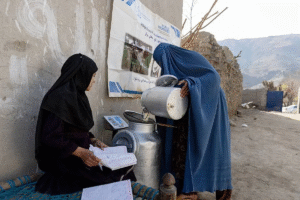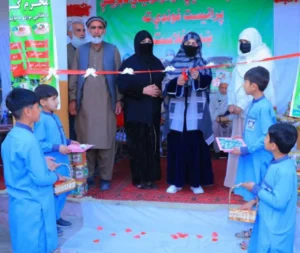
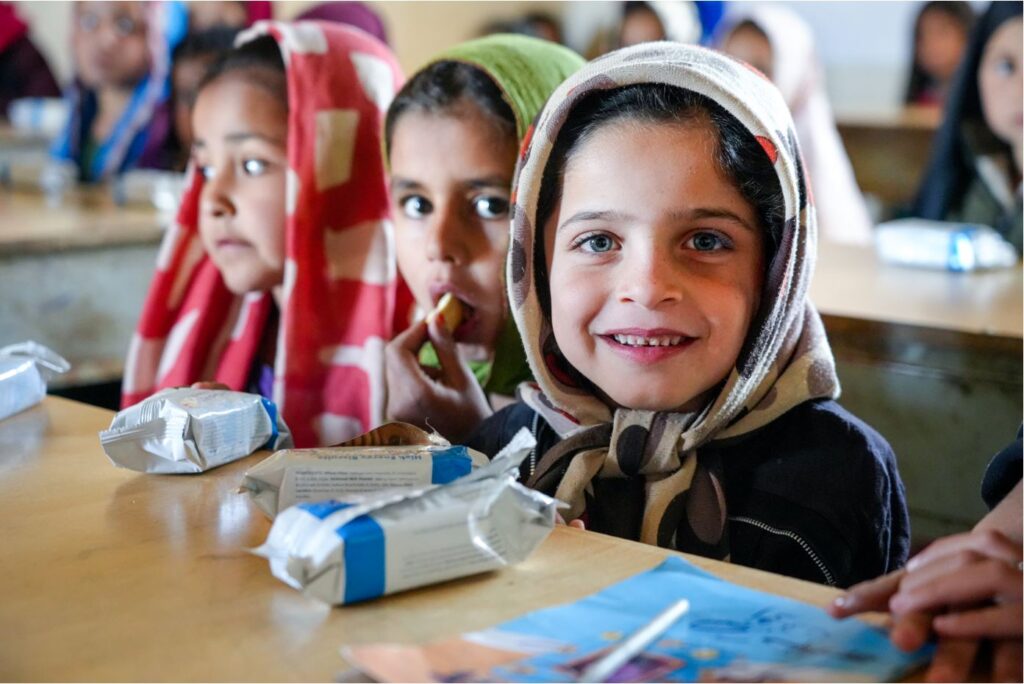
The Delegation of the European Union to Afghanistan has recently announced that by establishing community-based classes in villages across Afghanistan, it is expanding citizens’ access to educational services.
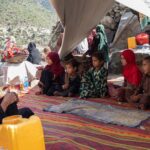
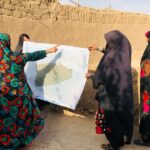
On Tuesday (24 February), sharing the story of a classroom in a village in central Afghanistan on its X account, the organization wrote that before the establishment of the EU-supported class, residents of the village had no access to educational services.
One of the village residents told the European Union that his children can now study in warm classrooms in their own village. He added that with the cash assistance he received from the EU, he is able to meet his family’s heating needs and provide warm clothing for his children.
It is worth noting that the European Union has allocated millions of euros this year to support the expansion of educational services in underserved areas of Afghanistan. Through community-based classroom structures, it is facilitating access to education for citizens.
It should be noted that tens of thousands of children and adolescents in remote parts of Afghanistan currently lack access to educational services due to the absence of formal educational centers or their long distance from such facilities.
Poverty has also been cited as a major barrier preventing citizens from accessing education.
While the European Union emphasizes the importance of education, the current authorities, after taking control of Afghanistan, have deprived women and girls of education. In their most recent restriction, they closed the doors of medical institutes to girls and women, despite the fact that the healthcare sector across Afghanistan faces a shortage of personnel.
This action by the current authorities has left millions of schoolgirls deprived of education.