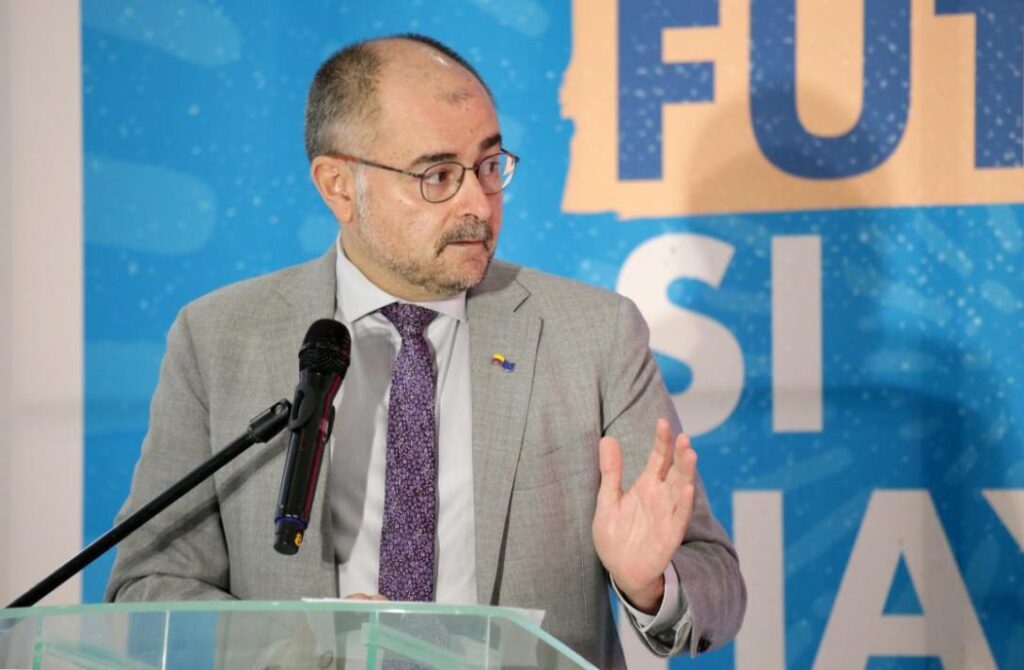
Jill Bertrand, the European Union’s representative in Afghanistan, has claimed that the restrictions and ban on the education of girls and women in Afghanistan have long-term and devastating consequences for Afghan society and economy, which will take generations to repair.
The European Union’s delegation in Afghanistan stated that Jill Bertrand’s five-day visit to Kabul concluded on Wednesday, April 23, 2026.
The statement mentioned that human rights issues held a prominent place in all discussions conducted by the EU special representative during this visit.
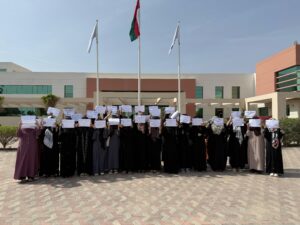
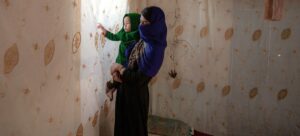
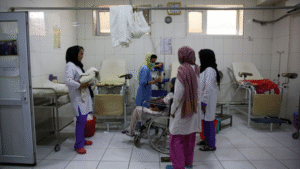
The statement also noted that the special envoy reiterated the serious concerns of the European Union regarding the restrictions imposed on women and girls, including access to education, employment, and participation in public life.
It stated that these restrictions constitute a serious violation of international human rights standards and Afghanistan’s international commitments, leading to long-term and devastating consequences for Afghan society and economy, which will take generations to address.
The EU delegation wrote that the special envoy reminded the acting government officials that the ban on girls’ education is a significant obstacle to normalizing relations with Afghanistan.
Additionally, the EU special representative stated that the union supports the Doha process led by the United Nations and considers UNAMA as the main platform for coordination with Afghanistan.
He emphasized support for the people of Afghanistan, returnees, and the private sector, stating that EU assistance is provided based on a principled approach in which women play a role both as primary beneficiaries and in the implementation process.
This was Jill Bertrand’s third visit to Kabul since being appointed as the EU’s special representative for Afghanistan.
He had also traveled to Afghanistan in the months of Mezan and Qaws last year, discussing political and human rights issues with current government officials.