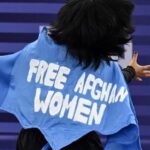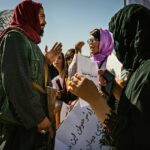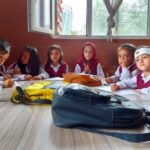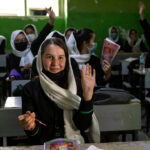
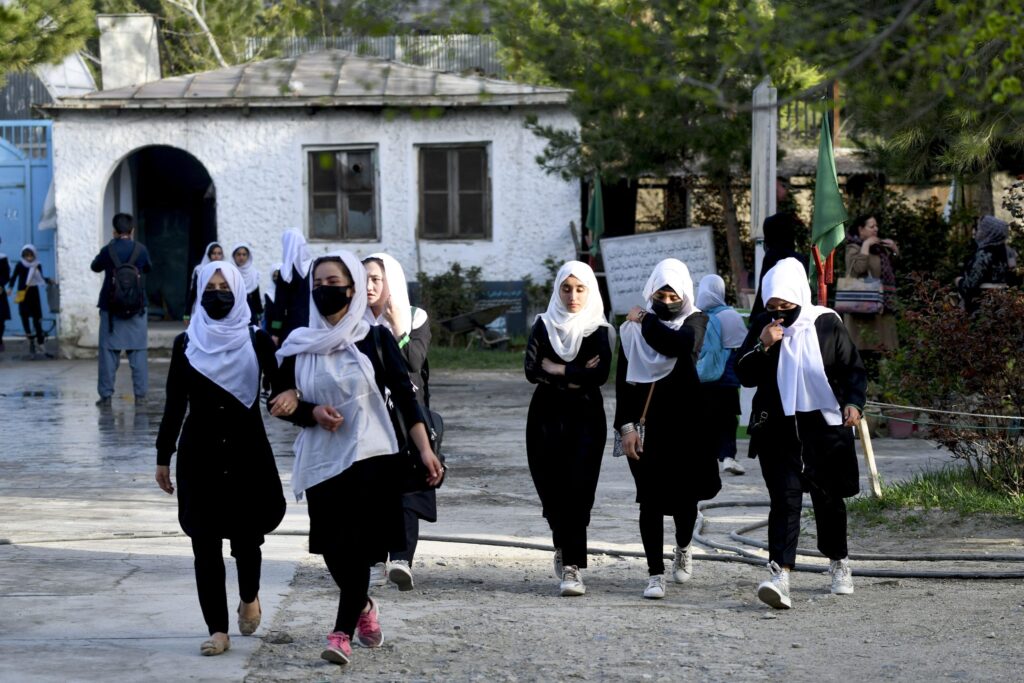
Coinciding with International Students’ Day, the Alliance of Human Rights Activists has warned that policies depriving women and girls of education constitute one of the most unprecedented and systematic attacks on the right to education in the contemporary world.
In a statement published on its X account, the organization wrote that denying girls access to education destroys the awareness, identity, and intellectual capacity of Afghanistan’s future generation, and that this project, within the framework of international law, can be considered an “act of cultural genocide, gender apartheid, and a crime against humanity.”
The statement further notes that educational restrictions on women are neither scattered nor accidental. By eliminating women from education, these measures deprive half of society of economic, social, and intellectual participation.
The statement adds that actions taken against women and girls clearly constitute “cultural genocide.”
The Alliance of Human Rights Activists has called on the international community, the United Nations, global educational institutions, and universities around the world to recognize the suppression of women in Afghanistan as “cultural genocide and gender apartheid.”
They emphasize that Afghanistan’s future is impossible without women’s education, and that global silence in the face of “the most systematic educational oppression of the present era” paves the way for this crisis to expand.
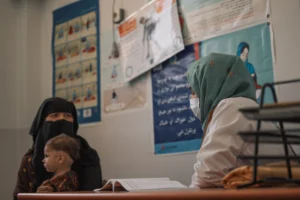
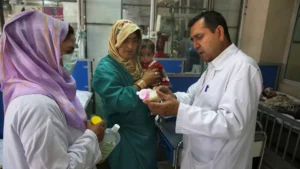
These criticisms arise as the current authorities, since taking control of Afghanistan, have barred women and girls from education. In their latest restriction, they closed the doors of medical institutes to women and girls, even as the health sector across Afghanistan faces a shortage of personnel.
This action has left millions of school-aged girls deprived of education.
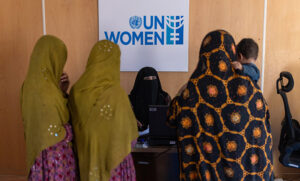
Additionally, women have been banned from going to gyms, restaurants, public baths, receiving medical examinations from male doctors, traveling without a male guardian, and working in domestic or international NGOs—even in UN offices within Afghanistan.